
Manufacturing trade-off tools
Estimate where each process becomes commercially sensible before locking in product architecture.
Belfast, Northern Ireland product design engineering
Andrew Hunter's Orion Design combines product design engineering services, manufacturing strategy, sustainability thinking, and hardware business tools so teams can move from concept to production with clearer technical and commercial judgement.
Plot cost crossover points between additive, subtractive and moulded production routes.
Use them to compare manufacturing routes, product cost, assembly effort, lifecycle impact, cashflow, and commercial viability before the next commitment.
Capabilities
Use the tools and guidance to answer the questions that usually slow projects down: what to prototype next, which process to back, how to reduce assembly effort, and whether the business case is strong enough to proceed.
Estimate where each process becomes commercially sensible before locking in product architecture.
Make value and impact visible early enough to influence specification, not just downstream reporting.
Connect commercial feasibility, technical readiness, sustainability, and human value in one place.
Representative work
These projects show the range of problems involved: technical packaging, mechanism development, consumer products, and design-for-manufacture work where the right early decision saves time, cost, and rework later.

Representative spin-out product development work where technical packaging, usability, and manufacturable enclosure thinking had to progress together.
View representative case studies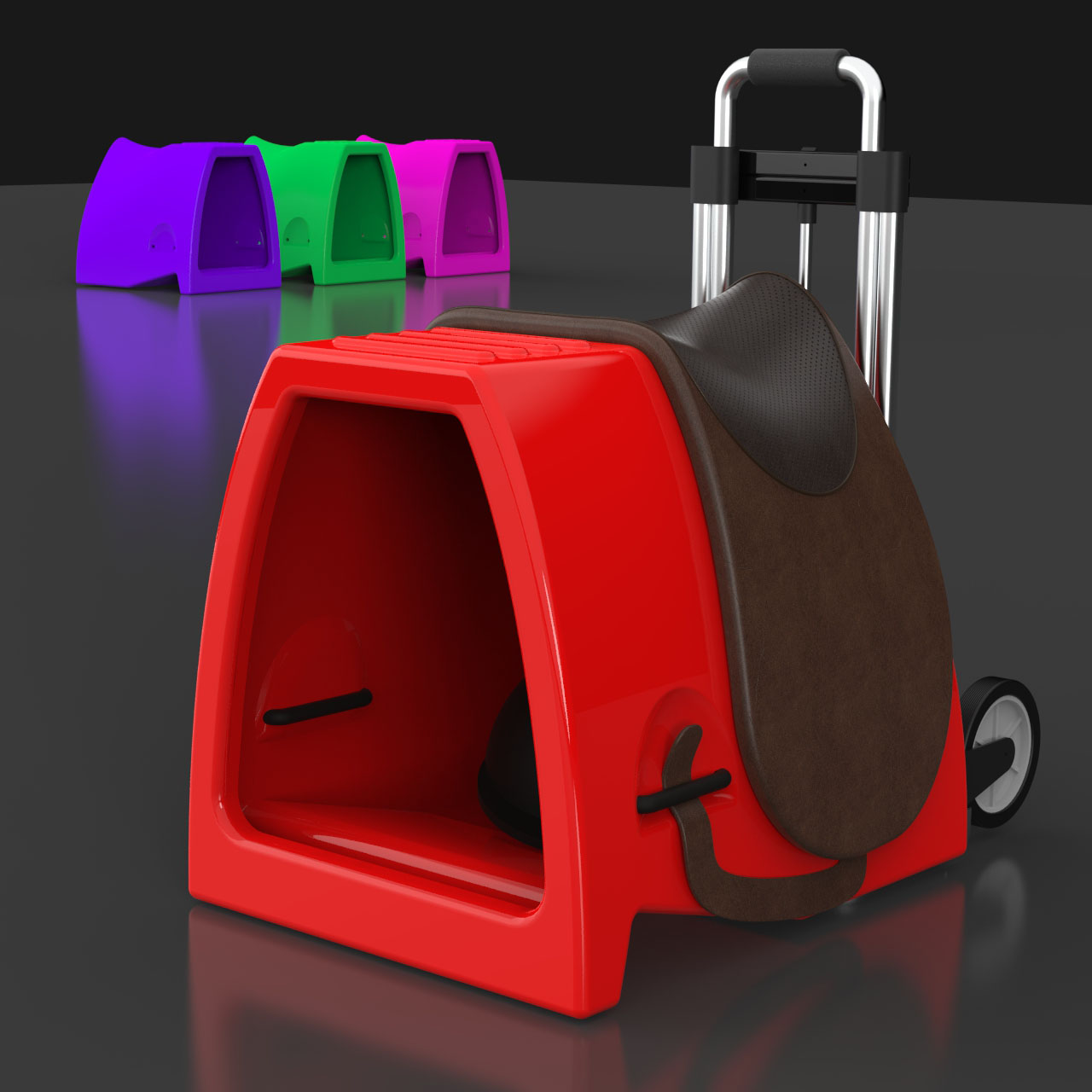
Concept-to-manufacture work that depended on form development, portability, part strategy, and a realistic view of when to commit to production tooling.
Explore product design services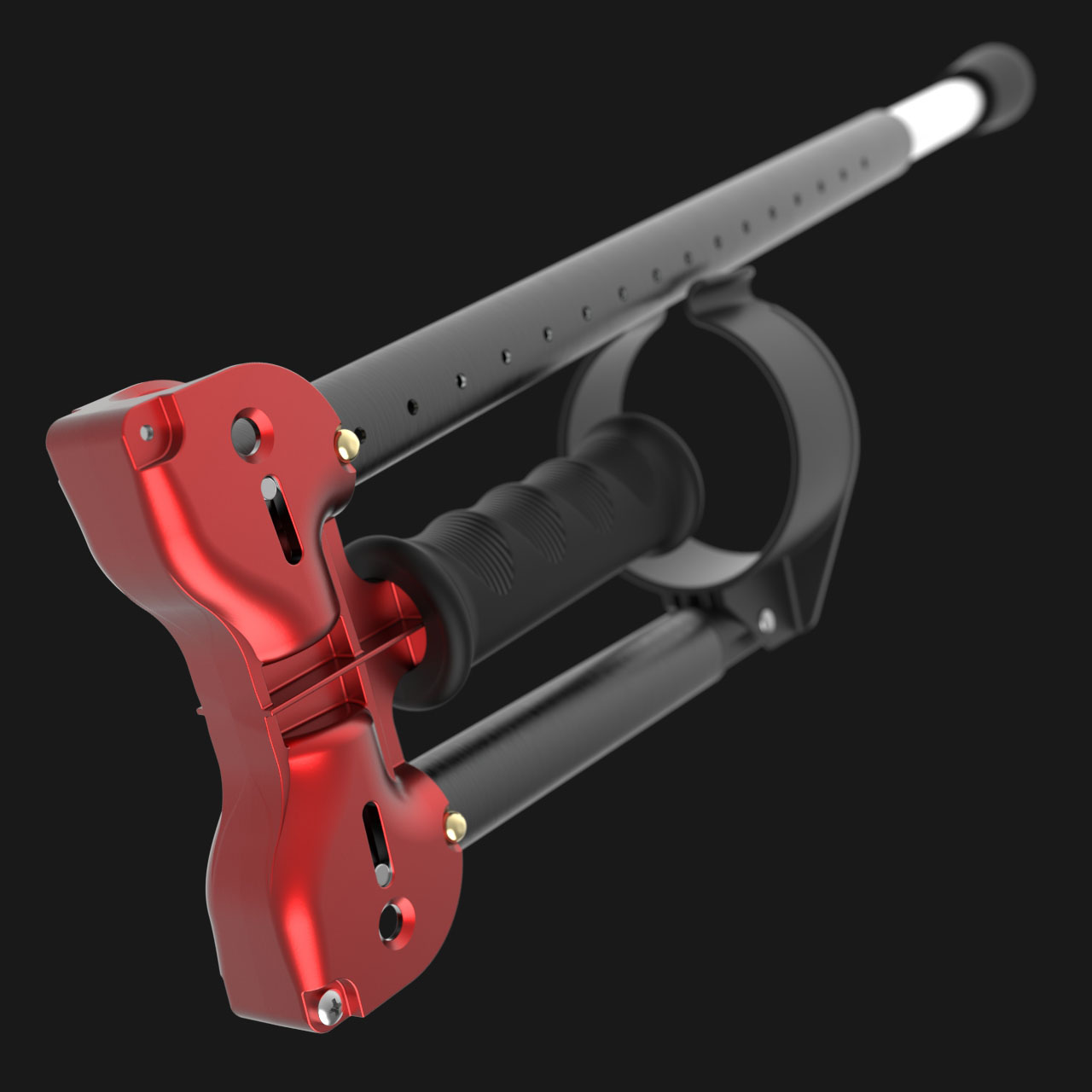
Mechanism-led development work where geometry, manufacturability, detailing, and controlled iteration mattered more than superficial styling.
Read about Andrew HunterTool library
Use these tools to compare manufacturing routes, assess lifecycle impact, choose between concepts, plan production, and test the commercial logic before bigger spend.
Compare setup cost and unit cost across 3D printing, CNC machining, vacuum casting, and injection moulding.
Open ToolRank a product concept against a scored dataset and inspect its balance on a radar chart.
Open ToolEstimate manual assembly labour at concept stage using part count, fastening logic, handling effort, and QA checks.
Open ToolCompare footprint drivers across material, manufacturing process, transport, and use-phase assumptions.
Open ToolPrefer a phased route?
Some projects need more than a standalone calculator. The ready-to-launch roadmap groups the work into practical phases so you can move from idea validation to launch planning with less wasted effort.
Start with the biggest risk: concept strength, engineering complexity, manufacturing route, or commercial viability.
Open the ready-to-launch roadmapBrowse the articles by concept, manufacturing, sustainability, or launch so the next decision is grounded in context, not just a number.
Browse the guidesEngineering essays
When a calculator is not enough, the articles explain the trade-offs, common mistakes, and the follow-on decisions that matter most.
Visit BlogBreak-even is only one part of the manufacturing decision. Timing, demand certainty, and design stability matter too.
Read articleThe Product Purpose Framework treats sustainability as a product-legitimacy question, not just a materials question.
Read articlePart count, join count, and reorientation are all signals of recurring labour before detailed industrial engineering begins.
Read articleConnect reachable demand, unit economics, operating cost, and payback so a promising concept is tested properly before scale.
Read articleCase study
Orion Design helps teams decide what to prototype, when to tool, what to simplify, and how to balance product value with manufacturing reality.
manufacturing routes compared in one visual model
point scoring model for reviewing product ideas
live tools supporting manufacturing, sustainability, process, finance, and supplier-readiness decisions