Design, DFM, manufacturing strategy, and concept-to-manufacture decision support across multiple sectors and technologies.
About
Andrew Hunter and Orion Design.
Orion Design is framed around Andrew Hunter's product design and engineering practice in Belfast, Northern Ireland: helping teams turn concept ideas into manufacturable products through clearer technical reasoning, better production judgement, and stronger product legitimacy.
MEng
engineering-led product development grounding
Belfast-based
local expertise with globally relevant support
Decision-focused
support built around the choices that shape cost, risk, and manufacturability
Lifecycle assessment, embodied carbon, material strategy, and systems-level thinking integrated into product design decisions.
Manufacturing economics, route-to-market analysis, startup planning, and investor-facing business model validation.
What clients come for
Orion Design helps when a product has promise but key decisions are still unresolved: concept direction, product architecture, route to manufacture, assembly burden, sustainability trade-offs, or whether the commercial case is strong enough to continue.
What the work should make clearer
The aim is to make the next decision easier and cheaper: what to prototype, what to simplify, what to validate with suppliers, and where not to commit too early. Better choices now prevent expensive reversals later.
Representative product range
Examples that explain the breadth of the work.
The range matters because the same decision patterns appear across sectors: define the product clearly, reduce avoidable complexity, and match development effort to the real opportunity.
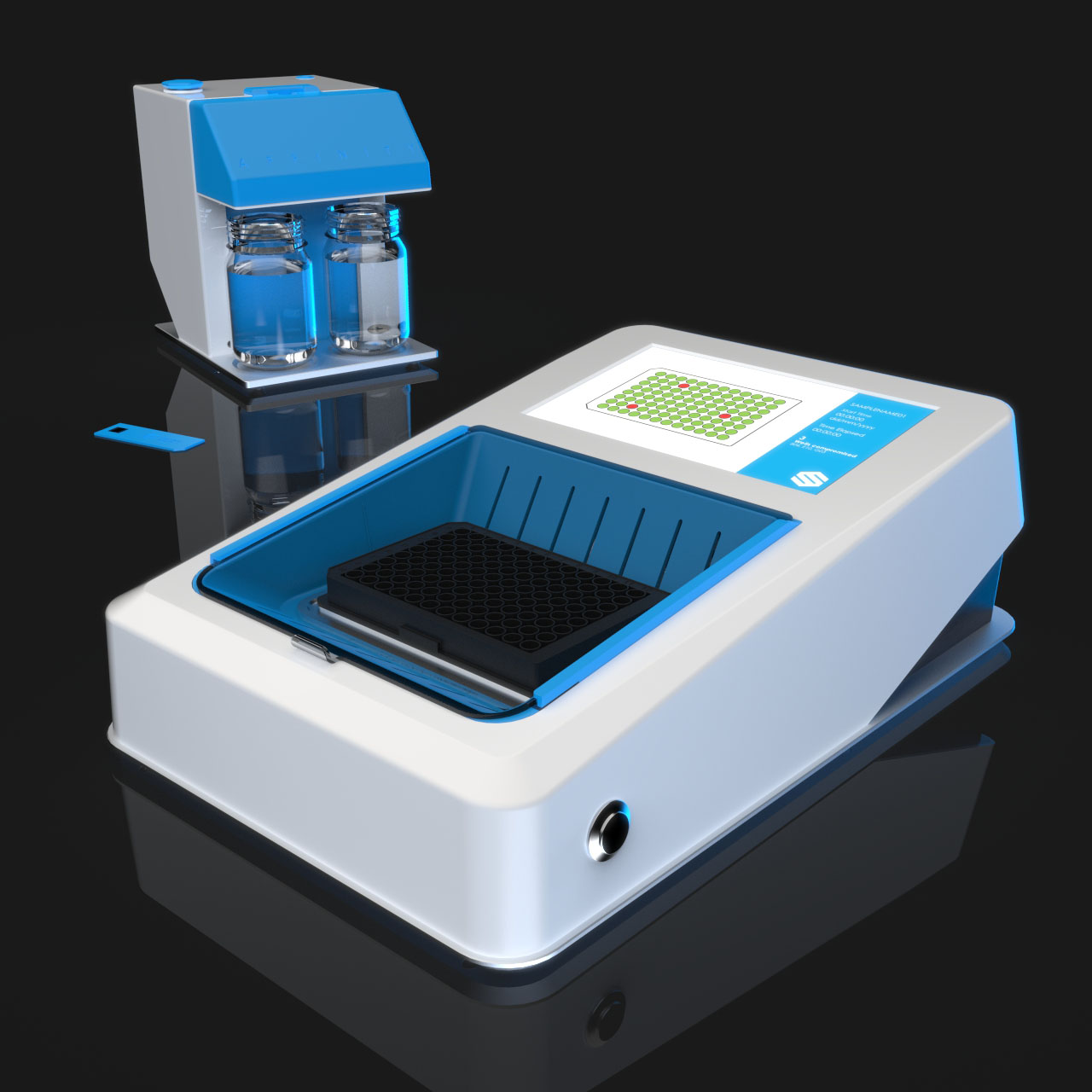
Reduced sensor assembly time by 35% through form factor redesign
Scientific and specialist hardware
Projects where usability, packaging, and product credibility need to sit on top of demanding technical constraints.
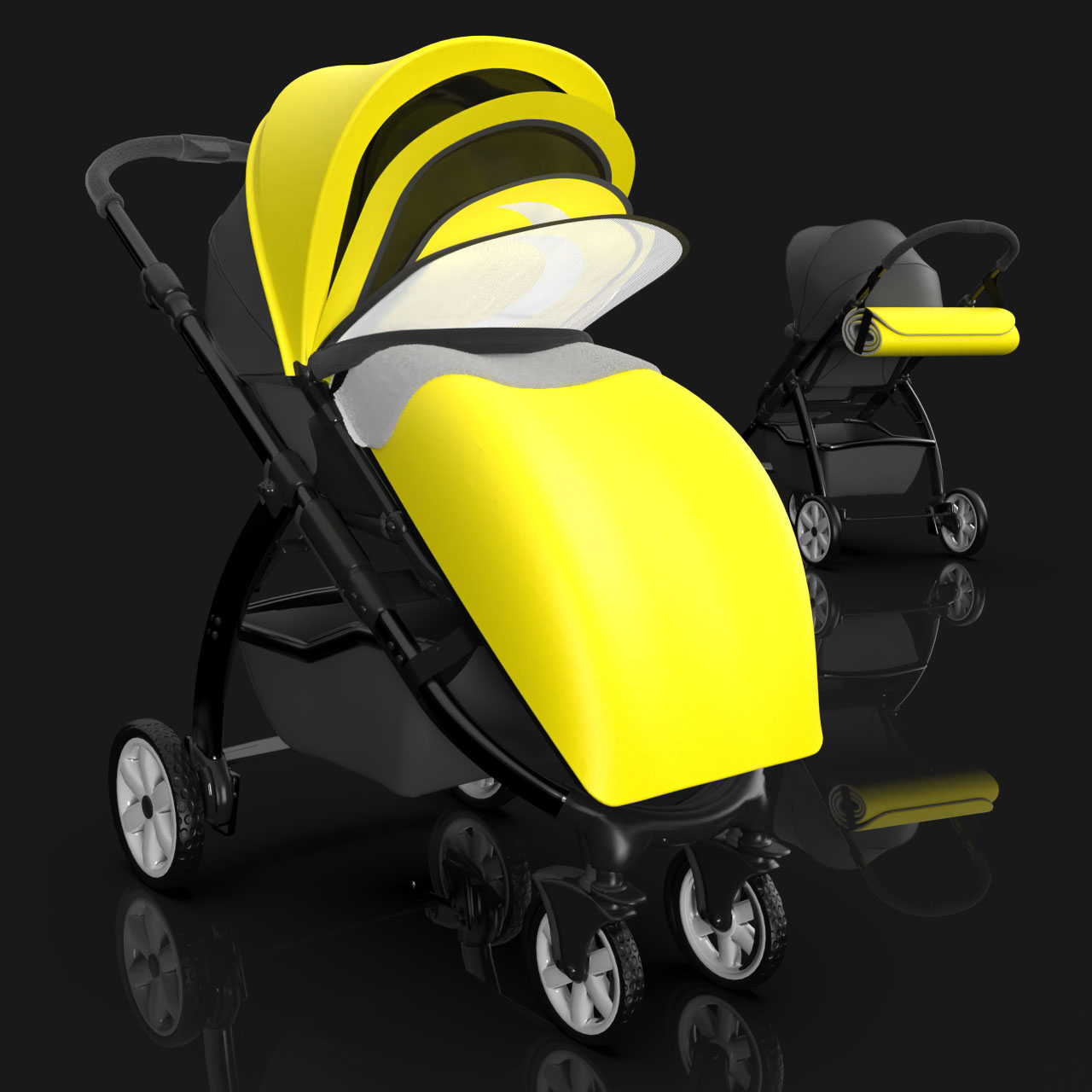
Optimized material strategy reducing product cost by 18%
Products with multiple disciplines in play
Development work that depends on geometry, structure, surface finish, and user behaviour rather than one isolated design task.
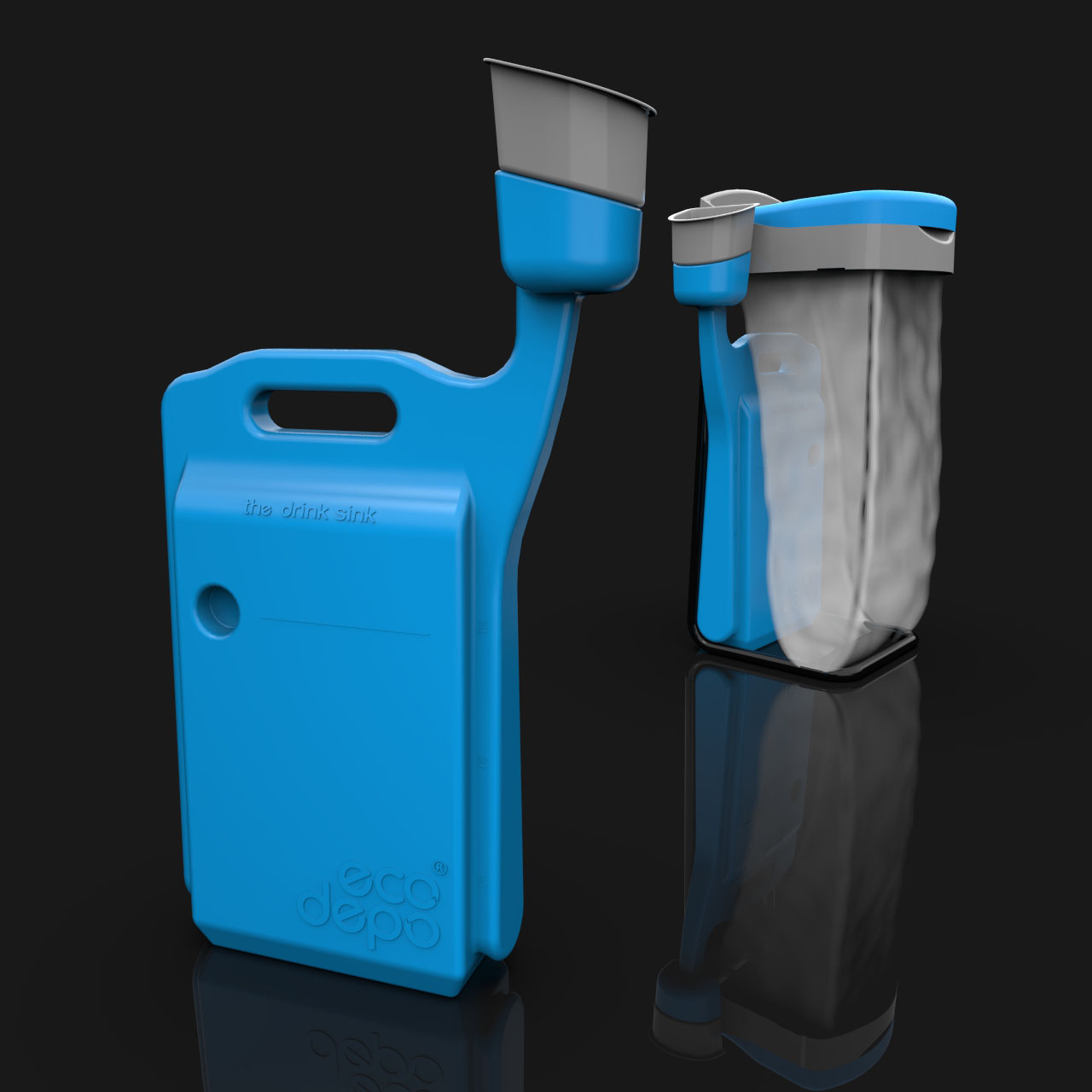
Identified tooling path reducing time-to-market by 16 weeks
Products shaped by production reality
Design work that gets stronger when manufacturing assumptions, tooling logic, and assembly implications are made explicit early.
Working style
Engineering clarity before expensive commitment.
The strongest product decisions usually happen before tooling, launch spend, or production complexity become hard to reverse.
Make the trade-offs visible.
Expose cost, manufacturability, product value, and lifecycle impact early enough that the product direction can still improve.
Translate ideas into manufacturable detail.
Move from concept intent into CAD, prototyping, production planning, and supplier-ready thinking with fewer hidden assumptions.
Bridge technical and commercial language.
Use tools and shared decision criteria so founders, engineers, and product teams can discuss the same questions with the same structure.