Concept development and product definition
Clarify the problem, shape the product architecture, compare concept directions, and make the early design choices that influence everything downstream.
Orion Design supports teams building physical products through concept development, design for manufacture, production strategy, and the technical-commercial decisions that sit between a promising idea and a viable product in Belfast, Northern Ireland and beyond.
Clarify the problem, shape the product architecture, compare concept directions, and make the early design choices that influence everything downstream.
Move from CAD and physical prototypes into more confident design decisions with an engineering-led approach to feasibility, testing, and refinement.
Prepare products for sourcing, manufacture, quality, and scale using explicit route logic rather than leaving production choices to the end.
Representative engagements
These older visuals are useful because they show the breadth behind the offer: scientific instruments, soft goods, consumer accessories, and product architectures that needed more than surface-level industrial design.
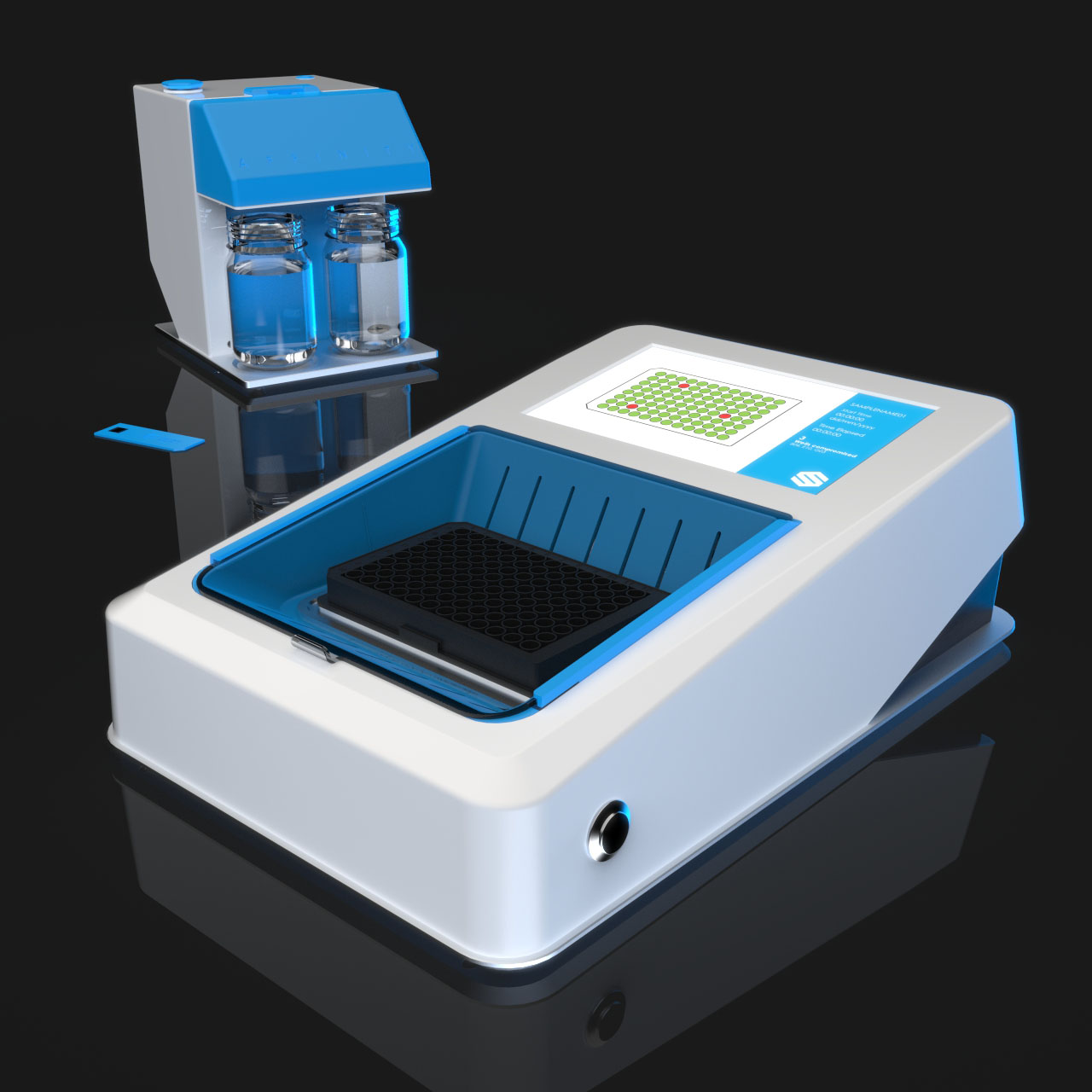
Scientific and engineering products need the front end handled carefully: who the user is, what must be proved, and how the product architecture supports that use.
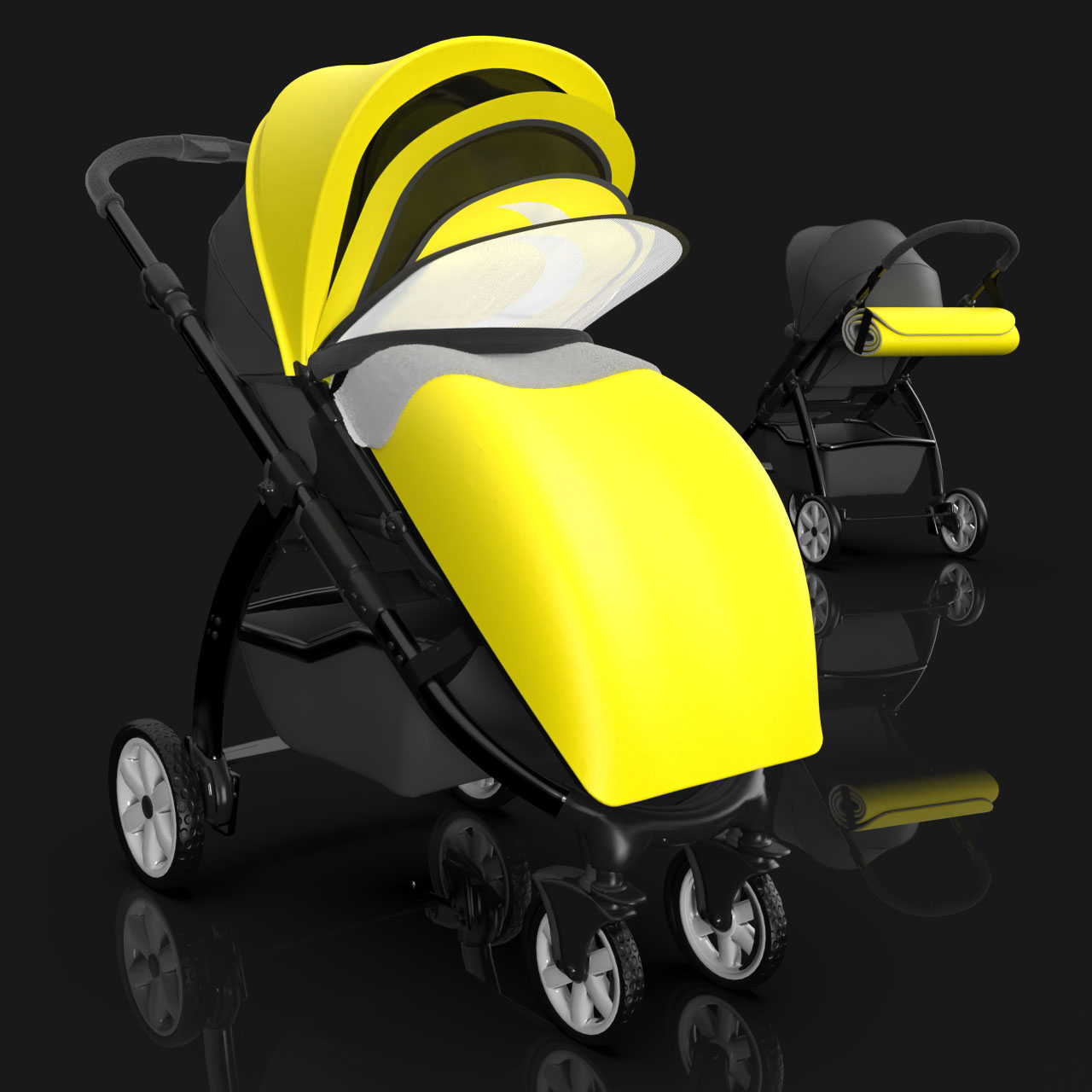
Development work often sits between mechanism, geometry, soft-goods detail, ergonomics, and testable prototype learning rather than one clean discipline.
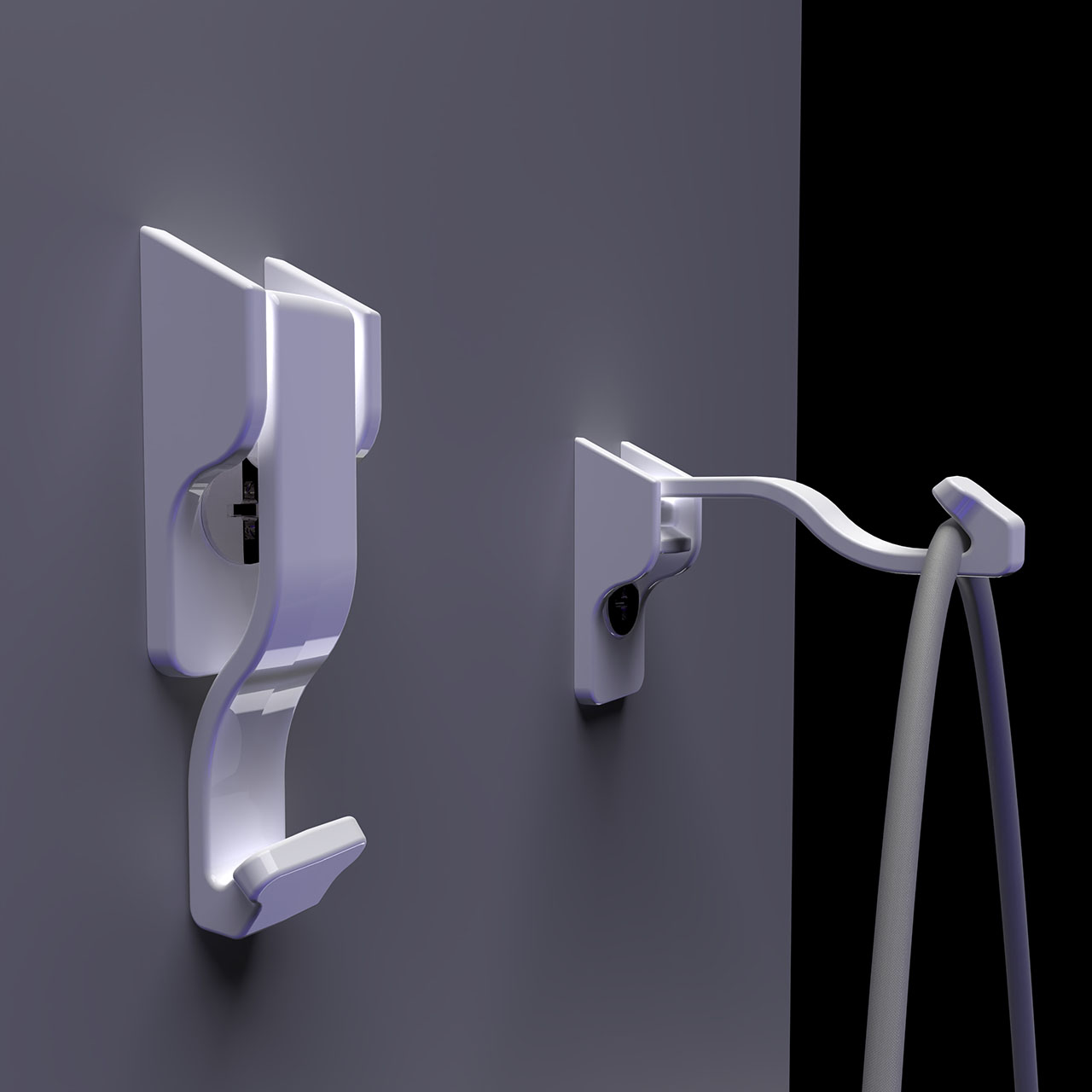
Design for manufacture means resolving geometry, joining logic, tooling assumptions, and part strategy early enough that manufacturing does not become a late surprise.
Where Orion helps most
Most enquiries sit somewhere between design uncertainty and manufacturing risk. The service offer is built around that middle ground.
Use concept selection, product-purpose framing, and development planning to narrow the right direction before effort spreads too thin.
Use break-even, production-strategy, and assembly thinking to connect architecture choices to real production implications.
Use revenue, business-case, route-to-market, and investor metrics to see whether the product supports a viable path beyond engineering.
Engagement shape
Not every project needs every phase, but this is the usual shape of the work when a product moves from a promising idea toward launch.
Clarify the problem, user, and value so the project is solving the right thing before design effort grows.
Compare options against explicit criteria so one direction can be backed for defensible reasons.
Resolve feasibility, architecture, and test priorities so the next prototype answers the most important questions.
Choose production methods, tooling timing, and supplier conversations in line with real demand and design maturity.
Connect price, COGS, route to market, and overhead so the product can support a viable business model.
Pull together the product, manufacturing plan, and commercial metrics so launch decisions are grounded in evidence.
If you want the same journey laid out with linked tools and guides, use the ready-to-launch roadmap.